Blue Evil Eye: A Digital Asset for Modern Protection
The concept of the Evil Eye is one of the most enduring symbols in human history, a talisman believed to ward off negativity and protect the wearer from harm. In the digital age, this ancient symbol has found new life, not just as jewelry, but as a powerful design element. The Blue Evil Eye graphic is more than just an illustration; it's a versatile asset that carries deep cultural weight and a clean, modern aesthetic. Its appeal lies in its simplicity and its universally understood message of protection, making it an intriguing choice for a wide range of creative projects.
Anatomy of a Powerful Symbol
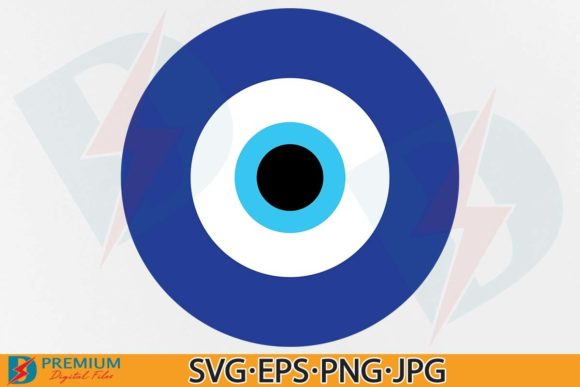
Visually, the Blue Evil Eye is defined by its concentric circles of blue and white, often with a central dark pupil. This specific color palette isn't arbitrary. The deep, vibrant blue is traditionally associated with the sky and the sea, representing good karma and spiritual grounding. It’s a color that feels both calming and authoritative. The sharp, geometric precision of the circles creates a sense of focus and intention. This combination of ancient meaning and clean design is what gives the Blue Evil Eye its unique personality—it feels both mystical and minimalist, spiritual and stylish. It’s a design that doesn’t shout; it speaks with a quiet confidence.
From Screen to Stitch: Practical Applications
As a designer or creative entrepreneur, your real question is always, "How can I use this?" The strength of a well-crafted digital file, like the one provided here, lies in its adaptability. This isn't a single-use graphic. With the included PNG, JPG, EPS, and SVG files, the Blue Evil Eye becomes a foundational element for countless projects.
- Apparel and Merchandise: This is where the symbol truly shines. Imagine a crisp white t-shirt with a single, centered Blue Evil Eye on the chest. It’s a subtle, stylish statement. It works equally well on sweatshirts, tote bags, and hats. For small business owners, this is a low-risk way to test a product line that feels both trendy and timeless.
- Digital and Social Media: In the fast-paced world of social media, a strong visual identity is crucial. Use the Blue Evil Eye as a recurring motif in your Instagram stories, as a profile picture accent, or as a subtle watermark on your photography. For bloggers and content creators, it can be a recognizable brand mark that signifies a space of positive energy and protection for your audience.
- Home Goods and Decor: The symbol’s protective nature makes it a natural fit for home decor. Think about it printed on throw pillows, etched onto a ceramic mug, or as part of a gallery wall print. It adds a layer of meaning to everyday objects, turning them into conversation pieces.
- Packaging and Branding: For businesses in wellness, beauty, or artisanal goods, the Blue Evil Eye can elevate your brand identity. Incorporating it into your packaging design, on a label, or as a seal on a box communicates a commitment to quality and care. It tells your customer that your product was made with intention.
More Than a Graphic: The Influence on Brand Perception
Choosing a design element is never just about aesthetics; it’s about strategy. The decision to use a symbol like the Blue Evil Eye influences how your audience perceives your brand on a subconscious level. It’s a form of visual communication that bypasses words.
When you integrate this symbol into your brand identity, you’re tapping into a rich history. It suggests a brand that is thoughtful, aware of tradition, and concerned with the well-being of its community. This can foster a deeper sense of trust and connection with your audience. Unlike generic stock imagery, the Blue Evil Eye has a story. It adds a layer of depth and professionalism that can set you apart. It’s a premium font equivalent for graphic assets—something that feels intentional and considered, not just slapped onto a design.
A Practical Guide to Implementation
Ready to get started? Working with digital assets effectively requires a bit of forethought. Here’s how to approach integrating the Blue Evil Eye into your workflow.
- Evaluate Your Project's Voice: Does the mystical, protective energy of the symbol align with your project's message? It’s a perfect fit for wellness brands, spiritual coaches, and designers aiming for a modern, bohemian aesthetic. For a corporate financial firm, it might be a harder sell. Context is everything.
- Master the Art of Font Pairing: A strong symbol deserves a strong typographic partner. Because the Blue Evil Eye is clean and geometric, it pairs beautifully with a wide range of typefaces. Try it with a clean sans serif font for a modern, minimalist look. For something more traditional or editorial, a classic serif font can provide a sophisticated contrast. You could even pair it with a flowing script font for invitations or personal branding to create an elegant, handcrafted feel.
- Test and Refine: The provided files are designed for compatibility, especially the SVG for use in programs like Cricut Design Space. Before committing to a large print run, always test the graphic at its intended size. How does it look on a small sticker versus a large poster? Check the colors on your screen against a physical print test. This attention to detail is what separates amateur work from professional design assets.
- Understand the Files: The package includes four distinct file types for a reason. The high-resolution PNG is perfect for web use and digital projects where you need a transparent background. The JPG is ideal for standard printing. The vector files (EPS and SVG) are your workhorses for any project requiring scalability, from tiny icons to massive banners, without any loss of quality. Knowing which file to use for which task is fundamental to a smooth creative process.
The Blue Evil Eye is a remarkable example of how a timeless concept can be distilled into a powerful, modern design tool. It offers more than just visual appeal; it provides a narrative, a sense of protection, and a connection to a global tradition. By thoughtfully integrating it into your projects, you’re not just adding a graphic—you’re adding a story.