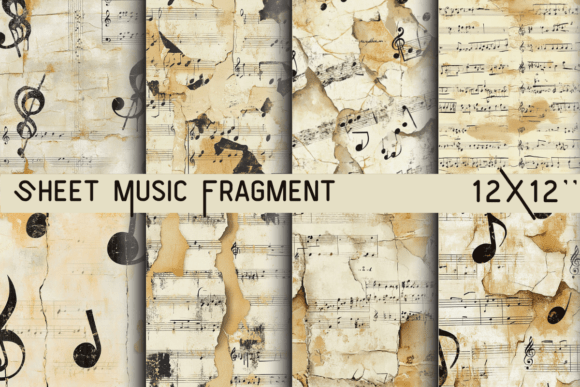
Old Wall Covering Printables Eight: Authentic Vintage Textures
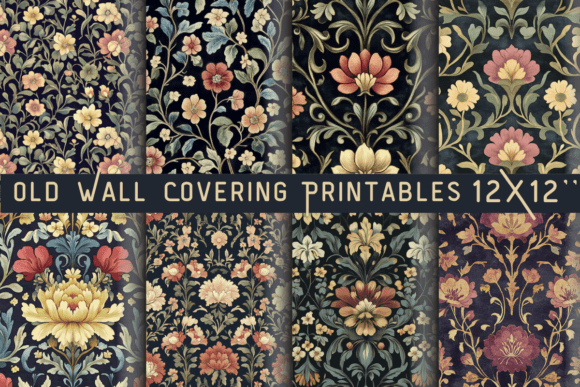
Capturing the soul of a space often means embracing its history, including the layers of paint, plaster, and wallpaper that tell a story of time passing. The Old Wall Covering Printables Eight collection offers a direct window into that aesthetic. This digital pack provides twelve high-resolution designs that simulate the worn beauty of aged interiors, featuring everything from peeling paint textures to faded antique wallpaper patterns. It is a specialized set of design assets intended for creators who need genuine architectural texture without the hassle of on-site photography.
The visual character of this collection is defined by its subtlety and authenticity. Unlike generic backgrounds, these files showcase specific surface qualities: the fine cracks of aged plaster, the subtle lift of decaying paper, and the muted patina of a room that has seen decades of life. The color palette is carefully curated, relying on tones like faded beige, dusty grey, muted olive, sepia brown, and soft ivory. These are not loud or vibrant colors; they are the quiet, neutral tones that form the perfect foundation for a vintage or rustic project. Because the backgrounds are opaque, they function as complete, self-contained surfaces, ready to be layered upon or used as a dominant visual element in a design.
Practical Applications for Modern Creators
Understanding where a resource like this excels is key to using it effectively. The Old Wall Covering Printables Eight pack is not a typeface, but rather a collection of texture-based design assets. Its strength lies in its ability to instantly establish a specific mood and setting. For scrapbookers and junk journal enthusiasts, these textures serve as ideal foundational pages. They provide an immediate sense of age and history that a plain cardstock cannot, making them perfect for backing vintage photographs, ephemera, and handwritten notes.
For designers and marketers working on brand identity, these textures can be powerful. Imagine a boutique hotel, a heritage bakery, or an artisanal product line. Using a texture from this collection in the background of a website, a menu, or a social media graphic can communicate authenticity and craftsmanship without a single word. It influences brand perception by associating the product with timelessness and quality. In editorial design, such as for a magazine feature on historic homes or a book cover for a period novel, these backgrounds add immediate visual depth and context, helping to tell the story before the reader even engages with the headline.
The applications extend into the digital realm as well. Content creators on platforms like YouTube or Instagram can use these textures as backgrounds for quote graphics, tutorial screens, or video overlays to build a consistent, recognizable aesthetic. For interior designers and architects, the files are practical for mood boards and client presentations, allowing them to visualize a distressed or vintage interior concept quickly. The 12x12 inch dimensions and 300 DPI resolution make them versatile for both digital use and physical print projects, from planner inserts to art prints.
Integrating Texture into Your Design Workflow
Effectively using a high-impact texture pack requires a thoughtful approach. The first step is always to evaluate project fit. The aesthetic of Old Wall Covering Printables Eight is distinctly vintage, rustic, and distressed. It pairs naturally with projects that aim for a historic, handmade, or weathered feel. It would be less suitable for a sleek, futuristic tech brand or a minimalist corporate identity where clean lines and flat colors are paramount. Matching the texture's personality to the project's core message is crucial for coherent design.
When it comes to typography, font pairing becomes a critical consideration. The ornate, layered nature of these wall textures acts as a complex background. Therefore, typefaces need to be chosen for their legibility and complementary style. A bold, clean sans serif font can create a striking modern contrast against the aged surface, making headlines pop. Alternatively, a classic serif font can enhance the traditional, authoritative feel. For a more thematic approach, a carefully selected script font or handwritten font can evoke a personal, historical correspondence, but these require extra care to ensure readability is not sacrificed for style. The key is to ensure the text has enough visual weight or separation—perhaps through a subtle shadow or a semi-transparent overlay—to remain clear.
From a practical workflow standpoint, these PNG files offer flexibility. They can be used as complete backgrounds or cropped and manipulated. A designer might take a corner of a peeling paint texture to use as a decorative element. They can be desaturated, tinted, or have their contrast adjusted to better fit a specific color scheme. Because they are high-resolution, they can be scaled for large-format prints like posters or canvas wraps without losing the crisp detail of the cracks and patterns. Always review the specific textures in the pack to see which ones best match the scale and detail your project requires—some may feature large, sweeping plaster cracks, while others might focus on intricate, small-scale wallpaper motifs.
Ultimately, resources like Old Wall Covering Printables Eight are about adding layers of visual interest and narrative. They save countless hours of sourcing and photographing actual aged surfaces and provide a reliable, high-quality foundation for creative work. By understanding their aesthetic strengths and applying them with intention, designers, crafters, and content creators can add a powerful dimension of authenticity and depth to their projects, connecting with audiences who appreciate the beauty of history and texture.